
Gastric Sleeve, Obesity is a multifactorial disease where the patient has excess body fat. Though usually, people think about the cosmetic aspect of obesity, they forget about general health concerns around the disease. Obesity drastically increases a person’s risk of having some other diseases. The risk factors include conditions such as heart disease, diabetes mellitus, hypertension, and some types of cancer.
The causes of obesity are often hard to pin down; each person has interconnected causes. Root causes of obesity may include genetic traits one takes from their parents.
For some people, the cause could be more related to their environment and upbringing. Or, a patient’s food intake habits and exercise load may have an effect too. Though, as we said, obesity usually stems from a combination of these causes.
On the bright side, even a tiny difference in weight helps the patient with the risks associated with obesity. Making changes in the diet, getting more physical activity throughout the day, and specific changes in behavior can help a lot in this process. Also, getting prescription medications from a doctor can be a contributing factor.
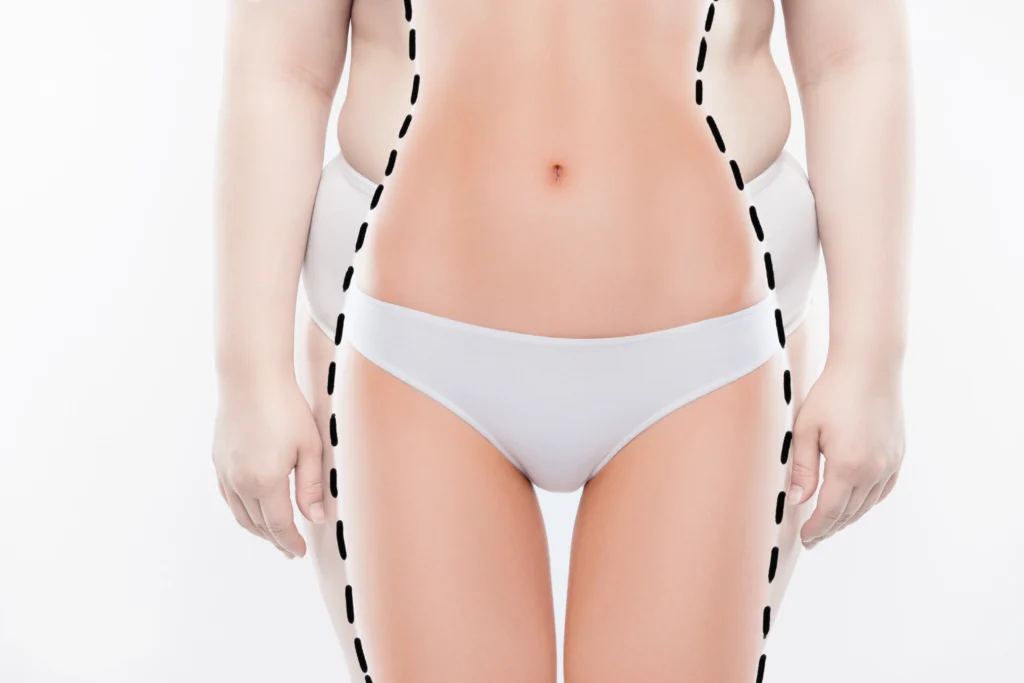
What Factors Put People At Risk Of Obesity
As we said, obesity has multiple factors; genetics, behavior, hormones, and metabolism may add up to this issue. Though in its core, what causes weight gain is taking more calories than you burn consistently—our body stores this extra fat when we don’t spend as much energy as we take.
Genetic Traits That We Inherit From Our Parents
The genes we inherit from our parents influence a wild array of traits. The ones you inherit may cause your body to store fat more efficiently. Genetics also affect where the acquired fat goes too.
On the other hand, the efficiency of our body when converting food into energy may affect our weight too. Genetics also influence how much hunger you have and how you burn calories during physical exertion.
Usually, we see obese people having more obese relatives. Obesity partly depends on genetics, but eating habits people in the family also share significantly impact obesity.
- Eating Unhealthy Foods: A diet with too many calories puts people at risk. Similarly, people who need to incorporate fruits and vegetables more into their diet are also at risk. Moreover, not eating enough fiber foods and drinking beverages with high sugar content can lead to significant weight gain if left unchecked.
- Calories Obtained From Liquids: People tend to get accustomed to drinking their calories without even knowing it, mainly because it doesn’t make them feel full. Alcohol is a notable example of this. People often consume excessive calories from alcoholic beverages. Plus, sugary drinks pose a risk of overconsumption too.
- Inactive Lifestyle: If you are used not to lowering your calorie expense. Sedentary people easily fall into a cycle where they consume more calories than they spend. Spending too much time on new-generation electronic devices like tablets, phones, and computers makes people passive.
Apart from these medical conditions, inactivity could be another reason. Conditions like broken limbs, arthritis, and rheumatism may cause people to become more sedentary.
Other Risk Factors
Some antidepressants, anticonvulsants, diabetes medications, antipsychotics, steroid medications, and beta-blockers may lead to weight gain in some patients. So, to compensate, you may need to set your calorie intake according to the situation.

How Social and Economic Status Has An Effect On Obesity
It is harder to avoid obesity if you don’t have safe places in your neighborhood to take walks. In a similar trend, you may not have access to healthy foods or know how to cook correctly. In addition, the people we spend the most time with significantly influence our habits and knowledge, which will bring more health problems. Therefore, you must take be careful about your social environment.
We Can See Obesity In People From All Ages
There are changes in our hormonal balance. Also, we tend to become less active as we age. Furthermore, with increasing age, we gradually lose our muscle tissue. Less muscle tissue translates to less body spending fewer calories on average. Becoming more active as you age and controlling your eating can help combat this.
Some People Also Report Weight Gain After Quitting Smoking
People often gain some weight after ceasing to smoke. Though, some may be more vulnerable to this type of weight gain. It seems like some people depend on eating to forget about their urge to smoke. This coping against nicotine cravings may result in significant weight gain.
Not Sleeping Enough
Our hormonal balance is highly interconnected to our sleeping habits. Irregular sleep patterns, sleeping too much or too little, may result in the overproduction of certain hormones that make us more hungry. People often crave high-carbohydrate or high-calorie food when sleep-deprived. Getting sleep regularly in sufficient amounts lowers your risk of sleep-deprived binges.
Avoid Stress
When we are stressed, we tend to favor food rich in calories. Stress affects our hormones, and this causes significant food cravings for some people. Addressing the root cause of excessive stress can contribute to your weight loss journey.
Complications Often Related To Obesity
People affiliated with obesity have a significant risk of developing certain diseases. These diseases can be prevented or managed better with professional help.
- Heart Diseases and Stroke Risk: You are likely to have high blood pressure when you are overweight. Cholesterol levels are also higher than usual when obese. When these two factors combine, they create a significant risk of heart conditions and stroke.
- Type 2 Diabetes: Obesity may lead to a malfunction in the insulin balance of the body. Your body uses insulin to lower blood sugar levels. Also, when insulin is continuously present in your bloodstream, you are more likely to create fat tissue because insulin blocks the metabolism of carbohydrates. And when these carbohydrates are not utilized as energy, they are put into fat tissue.
- Some Types Of Cancer: Obesity increases the risk of developing a wide array of cancerous tissue around many body parts. These body parts include the liver, esophagus, rectum, pancreas, kidney, cervix, uterus, ovaries, and breast.
- Increased Risk of Digestive Issues: You are more likely to experience digestive problems like heartburn, also you are more likely to develop liver and gallbladder issues.
- Sexual Problems: Obesity is known to lead to irregular periods and even infertility. Moreover, for men, it may lead to dysfunction in sustaining an erection.
- Sleep Apnea: Sleep apnea is a severe disorder. The breathing suddenly stops and starts at random in one’s sleep. Obese people have a significantly higher rate of sleep apnea. Often, this problem resolves with weight loss; sometimes, additional treatment is necessary.
- Arthritis: Joints of obese people carry more weight throughout the day. Especially knees and hip joints are susceptible to developing arthritis. Joints get inflammation in arthritis, and this often leads to sustained pain and discomfort.
Obesity often brings social stigma and alienation to the patients too. This condition diminishes the patient’s quality of life significantly. Not being able to do things you could do before may lead to frustration.
Some patients even avoid going to public spaces. Even more, people with obesity sometimes face social discrimination too.
Gastric Sleeve Operation
Some patients try many different solutions to their issue of obesity and don’t get the response they want. Sometimes patients lose weight only to gain it back after a while. With this type of case, we often recommend gastric Surgery.
Many people who could not get the desired results and need can do this with Surgery. This article will focus on one of the four main types of obesity surgery. That type of gastric obesity surgery is gastric sleeve operation.
In a nutshell, during this Surgery, the doctor removes a part of your stomach. Then the doctor stitches together the remaining pieces together. Doctors remove around 90% of the stomach in this operation. The remaining 10% of the stomach is often called a sleeve.
This operation will require some long-term commitments that you should follow. To stay healthy, you should adhere to these sets of limitations. We will discuss these more deeply in the following parts of this text. Now let’s look at how it differs from the gastric bypass procedure.
Gastric Sleeve Turkey
Our clinic in Istanbul offers quality service with cutting-edge technology. In this sense, our surgeons are well-trained professionals. Here, at ClinicExpert, we see health as a person’s well-being. For more than ten years, we have been helping people improve their looks and retain their health.
Come now, and contact our team to get a consultation. We can give you a quote and different service offers at ClinicExpert.
The difference between Gastric Bypass
In a gastric bypass operation, the doctor reroutes a small pouch directly to the small intestines. In the gastric sleeve operation, we look for a BMI higher than 40. The weight of some people disqualifies them from having a gastric bypass operation. So, we can do this operation with a broader spectrum of people.

What About The Procedure
This kind of gastric sleeve Turkey surgery takes about an hour to finish. To execute this operation, our surgeon will make a few small incisions on your belly and put a laparoscope inside.
A laparoscope is a tiny camera made for these kinds of interventions. The laparoscope sends the visual to a monitor, and our doctor can operate this tool. Our doctor will utilize a few other instruments with the laparoscope through these incisions.
Our surgeon will remove approximately 75% of your stomach during the operation. Then he will reconnect the remaining stomach close after the operation stomach looks like a banana-shaped sleeve. Also, you will stay in the hospital for the first two to three days after having this procedure.
On the other hand, remember that the Gastric Sleeve procedure cannot be reversed, and there is no restoration surgery after the gastric sleeve operation.
New Dietary Habits After Gastric Sleeve Operation
The day after Surgery, we will feed you clear liquids to avoid stressing your stomach. For the first four weeks, you will be able to eat food mashed into a puree. Plus, you can consume protein drinks during this period too.
- Remember that you will have to change your diet after gastric sleeve surgery.
After the first four weeks, you can switch to soft solids little by little. Also, it would help if you kept in mind the following:
- You should chew everything thoroughly before swallowing.
- It would be best if you did not drink while you ate. Since your stomach is significantly smaller now, you can quickly feel overfed this way.
- You can resume drinking liquids half an hour after you eat.
- Do not consume carbonated (extremely high sugar) beverages. Also, do not snack on different types of food.
- Remember to take your recommended supplementation and minerals, do not skip them if possible.
You can incorporate regular meals into your diet 2 to 3 months after gastric sleeve surgery. And now, you don’t feel like eating as much as you used to. Actually cannot eat as much as you used to with a slight stomach.
How Much Weight Am I Going To Lose After The Operation?
Generally, between 12 to 18 months, patients lose approximately 60% of their extra weight. Of course, the time it takes patients to lose this much body fat varies among patients. Incorporating healthy habits such as sports or eating well helps with weight loss.
Cases you may have after the Surgery
After the operation, you may feel nauseous, like throwing up or constipating. In the long term, some food you used to enjoy might not deem suitable for your stomach.
Gastric Sleeve Results
After getting gastric sleeve surgery in Turkey, you will need to make some lifestyle changes to help the recovery process. Making these tips into lifestyle habits will significantly help you maintain the desired results.
- Regular Exercise: A person needs 150 to 300 minutes of mild to moderate physical exertion to maintain a well hormonal balance. Examples of mild-moderate physical activities include options like swimming, walking fast, even gardening, or doing household chores count towards it.
- Keeping A Healthy Diet: Food denser in nutrients but lower in calories is your friend in losing and maintaining weight after gastric sleeve surgery. Your gastric sleeve results rely heavily on your diet. At this point, try to consume foods rich in nutrients, but low in calories, including many kinds of fruits, veggies, and whole grains. Saturated fat, alcohol, and sugary snacks badly affect your progress. You still get to enjoy them now and then. But more than you are used to before.
- Regularly Check How Much You Eat: When you track your progress consistently, the results will motivate you even more in your weight loss journey. It is always rewarding to see your gastric sleeve results.
It is no surprise that these tips resemble weight loss tips. Getting enough physical activity daily and eating healthy foods are usually given out as weight loss advice.
Gastric Sleeve Costs
The cost of gastric sleeve operation varies wildly from patient to patient. Our clinic offers high-quality service with an accessible price tag.
Also, our team excels at what we do and ensures you are comfortable throughout the gastric sleeve operation. Contact us to learn more about what we offer to our patients.